
During the decision-making phase of adding a swimming pool, many homeowners find they are weighing the pros and cons of different pool types. Most often, concrete pools are highlighted due to their durability and customisability. How long do concrete pools last anyway? In this article, we will discuss the longevity of concrete pools, the advantages of installing a concrete pool, and how to maintain your pool to help ensure it lasts a long time.
The lifespan of a concrete pool is one of the most significant benefits. Concrete pools, along with correct maintenance, environmental conditions, and usage, can generally last between 25 and 50 years. In fact, some concrete pools may last as long as 70 years if cared for properly.
Factors Influencing the Longevity of Concrete Pools
Numerous factors can affect how long a concrete pool lasts. Understanding how these factors affect your pool can help you make the best decisions with installation and maintenance.
- Construction Quality: The quality of the initial construction has a big impact on the longevity of the pool. The hiring of skilled contractors, who use quality materials, is a huge step forward in durability.
- Environmental Factors: The weather, as well as environmental characteristics such as soil stability and groundwater levels, also play a major role in longevity. For example, near-freezing and freezing cycles will lead to damage over time.
- Usage: Frequent use, or misuse, can lead to wear and tear, as well. Being observant of change throughout the season will help to lessen premature damage, too.
Advantages of Building a Concrete Pool
Concrete pools present some distinct advantages that make them a highly desirable option for homeowners:
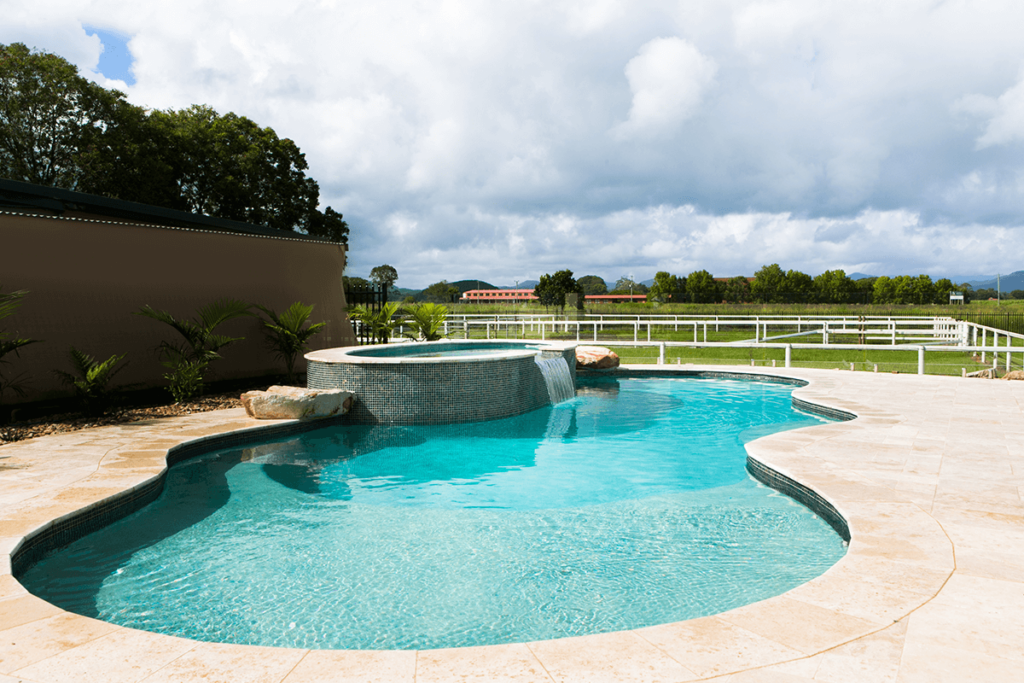
- Customizable Shapes: In comparison to fibreglass or vinyl pools, concrete pools may be customized to any shape, size, or depth. This results in the ultimate customized garden oasis, which suits your landscape and sense of style.
- Longevity and Strength: Concrete is a solid material that is capable of supporting heavy stress and pressure. This is especially beneficial when building a larger swimming pool or when the weather is volatile and temperatures move in and out of freezing.
- Increased Value: A well-maintained concrete swimming pool may significantly increase the value of your home. Building an outdoor area and pool of any shape or size is likely one of the best long-term investments you can make.
Maintenance for your Concrete Pool
The regular maintenance of your concrete pool is essential for ensuring longevity. It also helps to ensure safety for swimmers and improves the overall appearance of the surface.
Routine Maintenance of Pools
- Cleaning: Algae growth and stains can occur on concrete pool surfaces. To assist in controlling algae levels, be sure to regularly brush the pool surface and manually vacuum the pool.
- Chemical Balance: The chemical balance of the pool is important for the swim safety and health of the pool surface. Check the water chemistry each week and add or adjust accordingly.
- Inspect for Cracks: Concrete pools may develop surface or hairline fractures over time due to settling or environmental strain on the pool. It is good practice to inspect the surface of the pool for cracks once each year so they can be repaired.
- Resurfacing: A concrete pool should be resurfaced at least once every 10 to 15 years based on usage. Resurfacing is defined as adding an additional layer of plaster or aggregate to the pool surface to maintain integrity and appearance.
A Guide to Resurfacing a Concrete Pool
Resurfacing your concrete pool is an important step in extending the longevity of your pool. Here are a few things to think about:
When Should You Resurface?
In general, you should resurface whenever you see visual signs of wear, such as cracking, rough areas, fading, etc. Urgent resurfacing of the pool is necessary as soon as you notice any problems to avoid more serious issues.
What Are the Types of Resurfacing?
- Plaster: Plaster is the most common resurfacing material. It has a smooth surface and comes in a wide variety of colours. Plaster is the cheapest option, but it has to be resurfaced more frequently than aggregate.
- Aggregate: Aggregate is a mix of pea gravel and cement. Aggregate surfaces last longer and look better than plaster surfaces.
- Tile: Tile is the most expensive resurfacing option. Tile provides the best decorative appeal; tile surfaces are stain-resistant and easy to clean, and very durable.
How to get the longest life from your concrete pool
Consider these tips to get the longest life from your concrete pool.
- Invest in Quality Building: When you have your pool installed, use a good company and quality materials.
- Keep Up With Maintenance: You can keep pool parties going year after year with regular cleaning and chemical balancing, and keep the inspector off your back.
- Make Repairs Right Away: Don’t wait to make repairs; small problems quickly develop into major problems.
Consider Environmental Factors: If you live in a place with extreme weather, steps should be taken to take care of your pool from the elements.
Prepared to Build a Lifetime-Lasting Pool?
You want to make your vision a reality with a pool that is durable and customisable, as well as aesthetically pleasing? You have come to the right place at Dynamic Pool Designs. With years of experience designing and building high-quality concrete pools across the Northern Rivers and the Gold Coast, our expert team can help turn your vision into reality from concept to build.
Whether it is a sleek modern pool design or a resort-style backyard pool to relax in, Dynamic Pool Designs will design and build a pool that is built to last for decades.
Call Dynamic Pool Designs today to start planning your dream concrete pool built for longevity and designed to suit your lifestyle.